

Understanding CBD and Its Health Benefits
For many individuals interested in wellness, CBD (cannabidiol) has emerged as a prominent alternative for improving overall health. Gaining traction over the past several years, CBD is being explored not only by wellness enthusiasts but also by professional athletes looking for natural ways to enhance recovery and performance. In this article, we delve deep into what CBD is, how it works, and the myriad health benefits it may offer. When exploring options, ministry of cannabis provides comprehensive insights into various products available in the market.
What is CBD and How Does It Work?
CBD is one of the many compounds found in the cannabis plant, specifically in cannabis sativa. Unlike THC (tetrahydrocannabinol), the well-known psychoactive compound that induces a “high,” CBD does not produce this effect. Instead, it interacts with the body’s endocannabinoid system (ECS), a complex cell-signaling system that plays a crucial role in regulating a variety of physiological processes, such as mood, sleep, appetite, and immune response. Through this interaction, CBD may help restore balance and improve overall wellness.
Health Benefits of CBD: An Overview
Research on CBD has demonstrated potential benefits across various health domains:
- Anxiety and Stress Management: Several studies suggest that CBD could help alleviate anxiety by interacting with serotonin receptors in the brain.
- Improvement in Sleep Quality: CBD may help regulate sleep patterns, making it a potential option for those suffering from insomnia and other sleep disorders.
- Pain and Inflammation Reduction: CBD has anti-inflammatory properties and may be beneficial for chronic pain sufferers.
- Focus and Mental Clarity: Many users report enhanced cognitive function and improved focus after using CBD.
- Post-Workout Recovery: Athletes are increasingly turning to CBD to aid recovery and reduce muscle soreness after intense workouts.
Research and Evidence Supporting CBD Use
While anecdotal evidence surrounding CBD use is plentiful, several studies have confirmed its potential health benefits. For instance, a 2019 review published in the journal Frontiers in Neurology noted that CBD showed promise in treating various forms of anxiety and depression. Furthermore, a 2020 study published in the Journal of Experimental Medicine indicated that CBD could effectively reduce pain and inflammation in animal models. As research continues to evolve, a more comprehensive understanding of CBD’s mechanisms and benefits will likely emerge.
Types of CBD Products and Their Applications
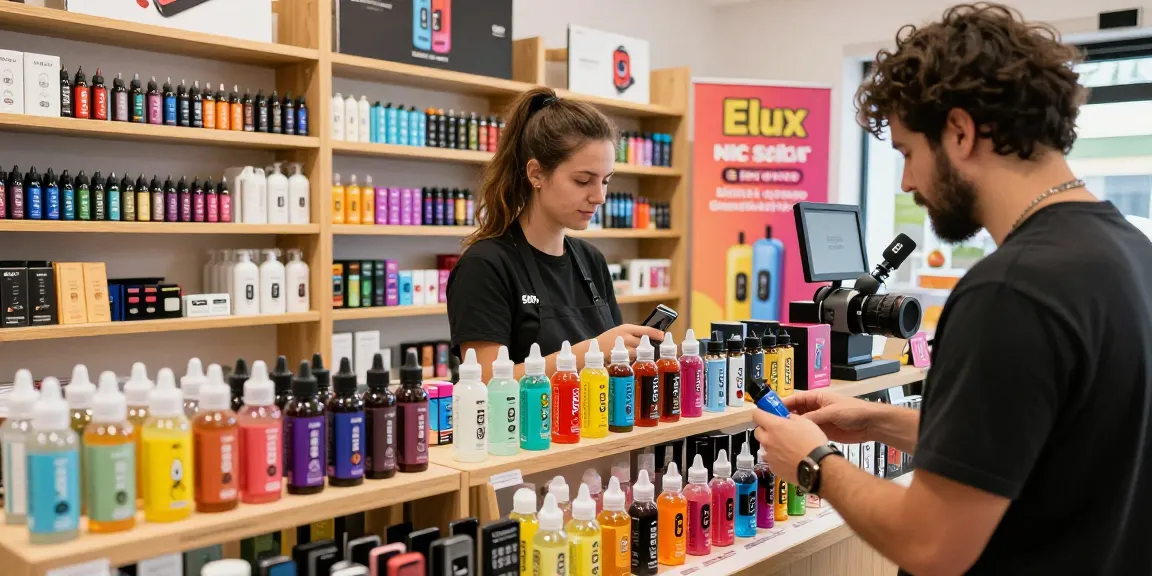
The market offers a multitude of CBD products, each varying in terms of extraction method, concentration, and absorption rate. Some primary categories include oils, edible products, topicals, and vape products. Understanding the distinctions and applications of these products can aid consumers in making informed choices that align with their wellness goals.
Exploring Full-Spectrum, Broad-Spectrum, and Isolate CBD
CBD products can be classified into three categories depending on their cannabinoid content:
- Full-Spectrum: These products contain all cannabinoids found in the cannabis plant, including trace amounts of THC. The entourage effect suggests that the combined effects may enhance the overall therapeutic benefits.
- Broad-Spectrum: Similar to full-spectrum, but with the THC removed. It retains other cannabinoids and terpenes, offering a balance of effects without psychoactive properties.
- CBD Isolate: This is the purest form of CBD, isolated from all other cannabinoids. It is ideal for individuals seeking to avoid THC entirely.
Different Delivery Methods: Oils, Edibles, and Topicals
Each delivery method provides unique benefits and absorption rates:
- CBD Oils and Tinctures: Typically administered sublingually, allowing for faster absorption into the bloodstream. Dosing can be adjusted easily, making it a preferred option for many users.
- Edibles: These include gummies, capsules, and infused beverages. They require longer to metabolize but can provide sustained effects for several hours.
- Topicals: Creams, balms, and patches designed for localized treatment of pain or inflammation. They do not enter the bloodstream but can be effective for surface-level issues.
- Vape Products: Vaporizers and e-liquids allow for immediate effects and are popular among those seeking quick relief. However, it is essential to consider the safety and quality of these products.
Choosing the Right Product for Your Needs
Selecting the appropriate CBD product depends on various factors, including personal wellness goals, desired effects, and individual tolerance levels. Those new to CBD should start with a low dosage and gradually increase until they find the ideal balance for their needs.
Proper Dosage and Usage Guidelines
Determining the right dosage of CBD can be a nuanced process, as it varies depending on several individual factors, such as body weight, metabolic rate, and specific health conditions.
Calculating Your Ideal CBD Dosage
A general rule is to start with a low dosage—between 5 to 10 mg of CBD per dose—and observe how your body responds. Gradually increase the dosage as necessary. It’s advisable to consult with a healthcare professional, especially for those taking medications that may interact with CBD.
Best Practices for Titration and Daily Consumption
The ‘start low and go slow’ approach is prudent. Users should pay attention to their body’s responses and adjust their intake accordingly. Keeping a journal of usage can help track effects and determine the optimal dosage over time.
Understanding Bioavailability in CBD Products
Bioavailability refers to the proportion of a substance that enters the circulation when introduced into the body. Different delivery methods present varying bioavailability rates:
- Sublingual oils: 30-50% bioavailability
- Edibles: 5-15% bioavailability
- Topicals: negligible systemic absorption, effective for localized treatment
- Vaping: 34-56% bioavailability
Quality Standards and Safety Considerations
Given the burgeoning nature of the CBD market, ensuring product quality and safety is paramount. Consumers should seek out products that undergo third-party testing for potency and purity.
Identifying Lab-Tested and Certified Products
Products should come with a Certificate of Analysis (COA) obtained from an accredited lab. This document verifies the product’s cannabinoid content and checks for contaminants, ensuring safety and efficacy.
Reading COA and What to Look For
When reviewing a COA, check the following aspects:
- Potency levels
- Presence of CBD, THC, CBG, etc.
- Tests for pesticides, heavy metals, and solvents
- Microbial contamination checks
Potential Side Effects and Interactions to Consider
While CBD is generally considered safe, some users may experience side effects such as drowsiness, dry mouth, or digestive changes. It’s critical to consult with a healthcare professional before starting any new CBD regimen, especially for those on other medications.
Legal Considerations in the CBD Industry
The legal landscape surrounding CBD is complex and varies widely by region. Understanding the regulations relevant to your location is essential for compliance and safety.
Current Legal Status of CBD in 2026
The 2018 Farm Bill legalized hemp-derived CBD products in the U.S., provided they contain no more than 0.3% THC. However, state regulations can differ significantly, so individuals should familiarize themselves with local laws.
Understanding THC Limits and Compliance
To stay compliant, products must adhere to the federal THC limit of 0.3%. Full-spectrum products may contain trace THC, but users should be mindful of potential drug testing implications.
The Importance of Transparency in the CBD Market
Transparency and education are essential for consumers navigating the CBD market. Reputable brands will provide clear information about sourcing, manufacturing, and testing practices, helping users make informed choices.
What are the health benefits of using CBD?
CBD may provide various health benefits, including anxiety reduction, improved sleep quality, pain relief, and enhanced focus.
How do I choose the right CBD product for me?
Choosing the right CBD product involves considering your wellness goals, the desired effects, and the preferred delivery method.
What is the best dosage for CBD products?
Starting with a low dosage and gradually titrating based on your body’s response is the best practice.
Are there any side effects associated with CBD?
Some users may experience mild side effects, including drowsiness and dry mouth.
Is CBD legal in all states?
CBD derived from hemp is legal federally but may face legality challenges in specific states or localities. Always check local laws.