
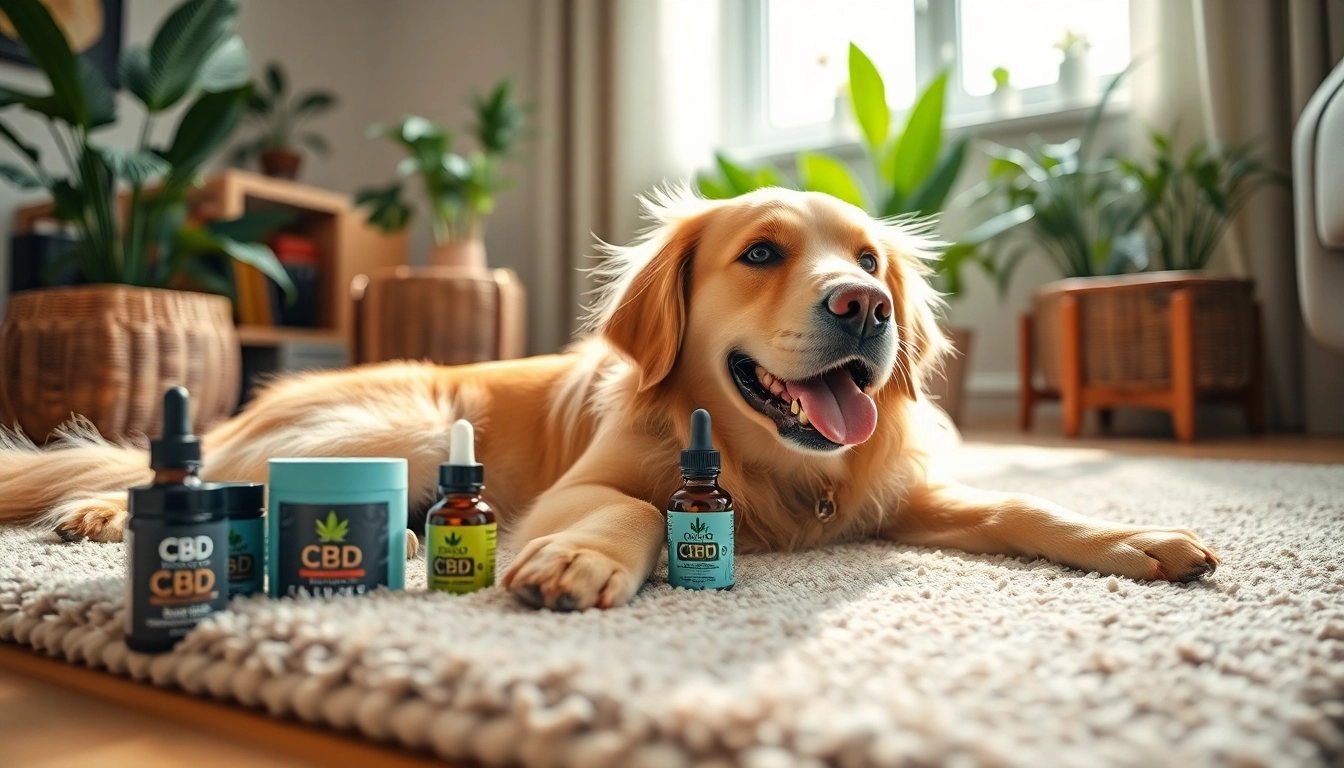
Understanding CBD For Pet: What Is It?
Defining CBD and Its Origins
Cannabidiol, commonly referred to as CBD, is a natural compound found in the cannabis plant. Unlike its well-known counterpart, tetrahydrocannabinol (THC), CBD does not have psychoactive properties, meaning it won't create a "high." Instead, CBD interacts with the endocannabinoid system (ECS) that is present in both humans and pets, including dogs and cats. The ECS plays a significant role in regulating a variety of physiological functions, including mood, pain perception, and inflammation response.
The discovery of CBD’s therapeutic potential has increased its popularity as a natural remedy for a variety of health issues in pets, ranging from anxiety to joint discomfort. As pet owners strive to improve the quality of life for their furry companions, more are turning to CBD For Pet products that promise potential health benefits.
The Endocannabinoid System in Pets
The endocannabinoid system, or ECS, is a complex cell-signaling system found in all mammals. It consists of three main components: endocannabinoids, receptors, and enzymes. Endocannabinoids are compounds that help maintain homeostasis, or balance, in the body. They interact with CB1 and CB2 receptors, which are scattered throughout the brain, organs, and immune system, to help regulate numerous functions.
In pets, just like in humans, the ECS plays a vital role in maintaining balance within the body. By stimulating the ECS, CBD may help regulate pain, anxiety, inflammation, and other critical health functions in pets. This interaction has led to an increase in the use of CBD to address conditions primarily affecting older pets, such as arthritis and cognitive dysfunction.
Common Myths About CBD For Pet
Despite the growing interest and anecdotal evidence supporting the use of CBD for pets, many myths continue to circulate, which can confuse pet owners. One common misconception is that CBD will make pets feel "high." This isn’t true, as standard CBD products derived from hemp contain only trace amounts of THC, which is not enough to produce psychoactive effects.
Another myth is that all CBD products are created equal. The quality of CBD varies significantly depending on the manufacturing process and the source of hemp. It's crucial for pet owners to select CBD products that are specifically formulated for pets and come with proper documentation, such as third-party testing results, to ensure safety and effectiveness.
Health Benefits of CBD For Pet
Managing Anxiety and Stress
Many pets suffer from anxiety due to factors such as separation, loud noises, or changes in their environment. Research suggests that CBD can aid in managing anxiety by promoting relaxation without causing sedation. By interacting with the ECS, CBD may help balance the levels of neurotransmitters like serotonin, which plays a pivotal role in mood regulation.
Some studies have indicated that CBD can reduce anxiety-related behaviors in dogs, such as excessive barking or destructive tendencies. Pet owners have reported noticeable improvements in their pets’ reactions to stressors, such as thunderstorms or fireworks, leading to a calmer experience during such occasions.
Supporting Joint Health and Mobility
As pets age, they may suffer from joint pain and stiffness due to conditions like arthritis. CBD's anti-inflammatory properties can potentially aid in easing discomfort associated with these conditions. By reducing inflammation, CBD may help improve mobility and joint flexibility, allowing pets to engage more actively in their daily activities.
Veterinarians have noted that pets receiving CBD often exhibit improved mobility and vitality, which can significantly enhance their quality of life. Pet owners have shared positive testimonials about their older pets becoming more active and playful after the introduction of CBD into their routine.
Promoting Overall Wellness for Pets
CBD has been credited with a range of health benefits, extending beyond anxiety and joint support. It is known for its antioxidative and anti-inflammatory properties, which contribute to overall wellness in pets. Regular CBD supplementation can potentially help boost immune function, promote digestive health, and provide relief from various conditions that may affect a pet's vitality.
Moreover, holistic veterinarians increasingly recognize the potential of CBD as a therapeutic option in conjunction with traditional treatments for chronic conditions such as cancer and chronic pain. As research continues to unfold, the understanding of CBD’s role in enhancing pet wellness is becoming more robust.
Selecting the Right CBD For Pet Products
Types of CBD Products Available
CBD products for pets are available in various forms, each catering to specific needs and preferences. The most common types include CBD oils, tinctures, treats, and capsules. CBD oils are highly popular due to their versatility; owners can administer them directly or mix them with food.
CBD treats provide a tasty alternative, making it easier for pets to consume. They also come in various formulations targeting specific health issues such as anxiety or joint pain. Each type has its own advantages, allowing pet owners to select what works best for their pet’s needs and preferences.
Quality Standards and Lab Testing
Quality assurance is paramount when selecting CBD products for pets. When choosing a product, look for those that provide third-party lab testing results. This testing can confirm the product's purity, potency, and safety, ensuring that it meets established quality standards. Quality products should not contain any harmful additives or excessive levels of THC, which can adversely affect pets.
Additionally, look for products formulated specifically for pets and offered by reputable manufacturers. Understanding the sourcing of the hemp used—such as whether it is organic or sourced from regions known for high-quality hemp—can also provide insight into the product's overall safety and efficacy.
Dosage Guidelines for Pets
Determining the correct dosage of CBD for pets can be challenging, as every pet is unique, and factors such as weight, health condition, and metabolism play a role. Typically, manufacturers provide dosage guidelines based on weight, but consulting with a veterinarian can help tailor the dosage to meet individual needs.
Starting with a low dose and gradually increasing it while monitoring the pet's response can help find the optimal dosage. It’s essential to observe for any side effects and adjust accordingly to ensure your pet's safety and well-being.
Safety and Legal Considerations with CBD For Pet
Understanding Regulatory Framework
The regulatory landscape surrounding CBD products for pets can be complex and varies by region. While the FDA has not approved CBD for animals, it has not prohibited its use either. However, some states have specific regulations regarding the sale and usage of CBD products for pets, necessitating pet owners to stay informed about local laws.
As CBD usage in pets continues to grow, advocacy for clearer guidelines and regulations is becoming increasingly important to ensure the safety and efficacy of products available in the market.
Potential Side Effects in Pets
While CBD is generally safe for pets, some might experience side effects, including drowsiness, dry mouth, or gastrointestinal upset. Most side effects are mild and typically resolve quickly upon discontinuation or adjustment of dosage. Understanding these potential side effects allows pet owners to monitor their pets more effectively when introducing CBD to their routine.
It’s essential to approach CBD as a supplement rather than a cure-all. Using it as part of a broader health management strategy, in consultation with a veterinarian, can maximize its benefits while reducing the risks of adverse reactions.
Consulting with Your Veterinarian
Before introducing CBD into your pet's regimen, it’s advisable to consult with a veterinarian knowledgeable about CBD. A qualified veterinarian can provide insights into potential interactions with existing medications, dosing strategies, and tailored recommendations based on the pet’s health status.
Establishing a collaborative approach not only ensures the safety of the pet but also helps in monitoring the efficacy of CBD within the broader context of the pet’s health management plan.
Real Experiences: Testimonials and Case Studies
Success Stories from Pet Owners
Many pet owners have shared testimonials regarding the positive impact of CBD on their furry companions. From helping dogs cope with separation anxiety to alleviating arthritic pain in older pets, personal stories abound showcasing the diverse benefits of CBD.
Pet owners report improved behavior, increased mobility, and, most importantly, a noticeable enhancement in the quality of life for their pets after introducing CBD. These success stories provide hope for other pet owners considering CBD as a part of their pet's wellness plan.
Veterinary Perspectives on CBD For Pet
Veterinary professionals are increasingly recognizing the therapeutic potential of CBD in treating various health issues in pets. Many veterinarians advocate for an integrative approach, combining traditional veterinary care with natural remedies like CBD to provide a more holistic treatment plan.
Veterinarians often emphasize the importance of selecting high-quality products and advocating for further research to establish comprehensive guidelines and protocols for CBD use in pets.
Future Trends in CBD for Pet Health
As interest in holistic health rises, the future of CBD for pets appears promising. Ongoing research is likely to further illuminate the benefits and potential applications of CBD in veterinary medicine. Trends may also encompass greater product innovation, focusing on specialized formulations catering to specific health concerns and enhancing bioavailability for pets.
Moreover, as awareness grows, the demand for educational resources regarding CBD and its proper use is expected to increase, fostering a more informed network of pet owners and veterinarians alike.