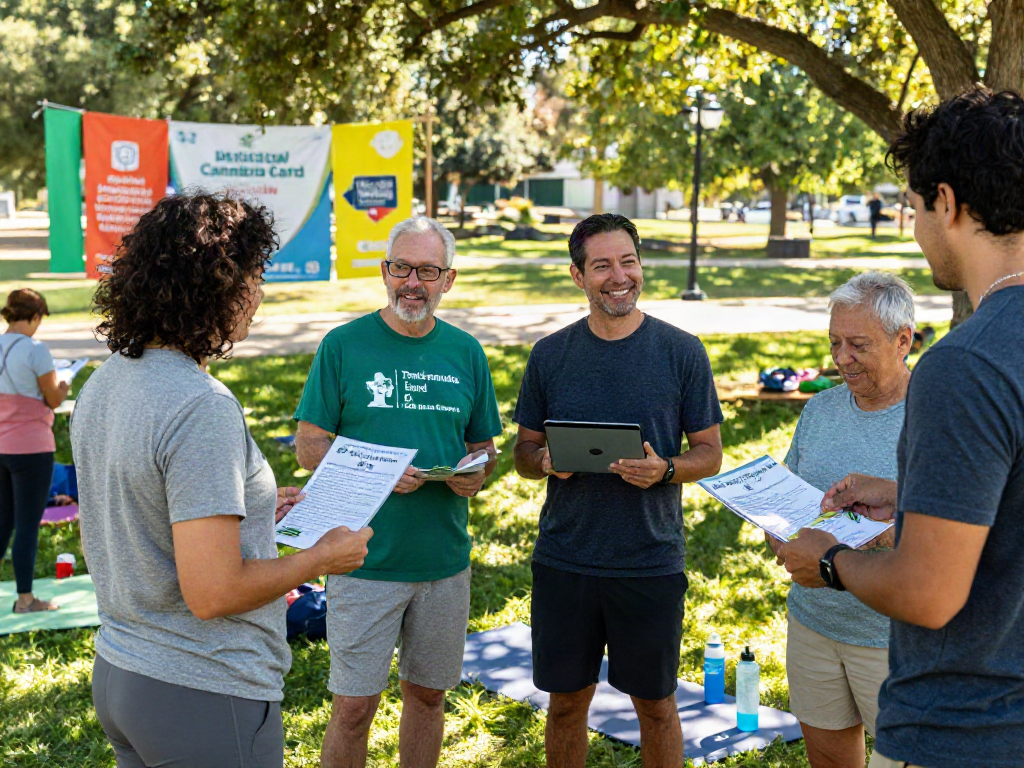
The Importance of the Texas Medical Cannabis Card
The Texas Medical Cannabis Card has become a significant topic of discussion as more residents seek out alternatives for managing various medical conditions. As legislative support for medical cannabis continues to evolve, understanding the benefits and requirements of obtaining a Texas Medical Cannabis Card is essential for those considering this option. This article will delve into what a Texas Medical Cannabis Card is, the benefits it offers, eligibility requirements, common misconceptions, and practical steps to apply.
What is a Texas Medical Cannabis Card?
A Texas Medical Cannabis Card is a certification that allows patients diagnosed with specific medical conditions to access and use medical cannabis legally within the state. Unlike recreational cannabis, which is subject to different regulations, medical cannabis is regulated under the Texas Compassionate Use Program (CUP). This card provides legal protections to patients, allowing them to possess, purchase, and use cannabis products that have been recommended by a qualified physician.
Benefits of Having a Medical Cannabis Card
Holding a Texas Medical Cannabis Card comes with a multitude of benefits, including:
- Legal Access: Patients can legally purchase medical cannabis from licensed dispensaries without fear of legal repercussions.
- Variety of Treatment Options: Patients have access to a wider range of cannabis products tailored to their medical needs including oils, edibles, and tinctures.
- Potential Cost Savings: Many dispensaries offer discounts for cardholders, and patients may also qualify for tax exemptions.
- Improved Quality of Life: For patients suffering from chronic pain, anxiety, PTSD, or other debilitating conditions, medical cannabis can provide relief when traditional medications fall short.
Eligibility Requirements in Texas
To qualify for a Texas Medical Cannabis Card, patients must meet specific eligibility criteria, including:
- Age: Applicants must be at least 18 years old; minors may qualify with parental consent.
- Medical Condition: They must be diagnosed with a qualifying medical condition such as epilepsy, multiple sclerosis, cancer, or PTSD.
- Texas Residency: Applicants must be residents of Texas and provide proof of residency.
- Physician Recommendation: A licensed Texas physician must recommend the use of medical cannabis as part of the treatment plan.
Common Misconceptions about Medical Cannabis
Despite the increasing acceptance of medical cannabis, several misconceptions persist that can hinder patients from fully understanding its benefits and legal standing. Here, we will address some of the common myths surrounding medical cannabis.
Debunking Myths Surrounding Cannabis Use
One significant myth is that medical cannabis is essentially the same as recreational cannabis. While both derive from the cannabis plant, medical cannabis is formulated to provide therapeutic benefits and has stricter quality control standards. Furthermore, medical cannabis is often low in THC and high in CBD, focusing more on relief rather than the psychoactive effects typically associated with recreational use.
Legal vs. Illegal Use: Understanding the Law
Another misconception is that possessing a medical cannabis card means you can freely carry any amount of cannabis. In Texas, each cardholder is limited to a specific quantity and must adhere closely to state instructions regarding possession and use to avoid legal issues.
How Medical Cannabis Differs from Recreational Use
Medical cannabis is designed for patients with qualifying conditions and is prescribed by healthcare professionals. Recreational cannabis, on the other hand, is available to anyone above a certain age, often leading to fluctuations in quality and potency that medical patients may want to avoid for their health.
How to Apply for a Texas Medical Cannabis Card
The application process for a Texas Medical Cannabis Card is straightforward but requires careful attention to detail. Here’s how to navigate it successfully.
Step-by-Step Application Process
- Consult with a Qualified Physician: Schedule an appointment with a doctor who is registered with the Texas Medical Board and has experience in treating conditions with cannabis.
- Obtain a Written Recommendation: Your doctor will assess your medical history and determine if you qualify for the use of medical cannabis. If approved, they will provide you with a written recommendation.
- Complete the Application: Fill out the application form through the Texas Department of Public Safety (DPS) website, ensuring all information is accurate and complete.
- Submit Your Application: Include all required documentation and pay the applicable fees. Keep a copy of your application for your records.
- Await Approval: After submission, the DPS will review your application and notify you of your status.
Documentation Required for the Application
When applying for the Texas Medical Cannabis Card, you will need to provide:
- A valid Texas driver's license or state-issued ID.
- Your physician's recommendation letter.
- Any relevant medical records that support your condition.
Common Application Pitfalls and How to Avoid Them
Many applications are denied due to minor errors. To ensure your application is successful:
- Double-check all documents for accuracy.
- Ensure you meet all eligibility requirements before applying.
- Stay in touch with your physician to confirm they are registered and willing to provide ongoing support.
Utilizing Your Texas Medical Cannabis Card Effectively
Once you have obtained your Texas Medical Cannabis Card, understanding how to use it effectively is vital for gaining the most benefit from medical cannabis.
Where to Purchase Medical Cannabis in Texas
In Texas, medical cannabis can only be purchased at licensed dispensaries. Patients should research local dispensaries to find those that offer the products they need, including oils, tinctures, and edibles, ensuring they understand the specific laws that govern each type of product.
Understanding Dosage and Consumption Methods
Understanding the appropriate dosage and consumption methods is crucial for effectively managing your condition with medical cannabis. It's vital to start with a low dose and gradually increase it under medical supervision. Common consumption methods include:
- Oils and Tinctures: These are typically used sublingually for quick absorption.
- Edibles: These are ingested and metabolized through the digestive system, providing longer-lasting effects.
- Vaping: This method allows for fast-acting relief with fewer harmful byproducts compared to smoking.
Tracking Your Experience with Medical Cannabis
Keeping a record of your experiences with different cannabis products can help you and your physician adjust your treatment plan as needed. Consider tracking:
- Your symptoms before and after using cannabis.
- The dosage and method of consumption.
- Any side effects or new symptoms that arise.
The Future of Medical Cannabis in Texas (2026 and Beyond)
The future of medical cannabis in Texas looks promising as more research emerges and public opinion continues to shift. Here’s what to expect in the coming years:
Emerging Research and Developments
Ongoing research into the therapeutic benefits of cannabis is likely to expand the list of qualifying conditions. As studies reveal more about how cannabis interacts with the human body, it may lead to more precise recommendations for patient care.
Legislative Changes on the Horizon
With changing public sentiment and increased advocacy, the Texas legislature may consider additional reforms to expand access to medical cannabis. This includes the potential for exploring recreational use in the future.
Predictions for Patient Access and Benefits
As regulations evolve, patient access will likely become easier, leading to more dispensaries and product options available across Texas. This growth could also result in lower prices due to increased competition.
What Are the Long-Term Impacts on Public Health?
The long-term impacts on public health depend significantly on how access to medical cannabis is regulated. Research suggests that, if utilized appropriately, medical cannabis can reduce dependence on opiates and other prescription medications for pain management.
How Communities are Adapting to Cannabis Legislation
Communities across Texas are beginning to adapt to cannabis legislation by establishing educational programs, support groups, and advocacy networks to ensure patients receive the information and support they need. These community resources can help demystify medical cannabis and promote responsible use among patients.