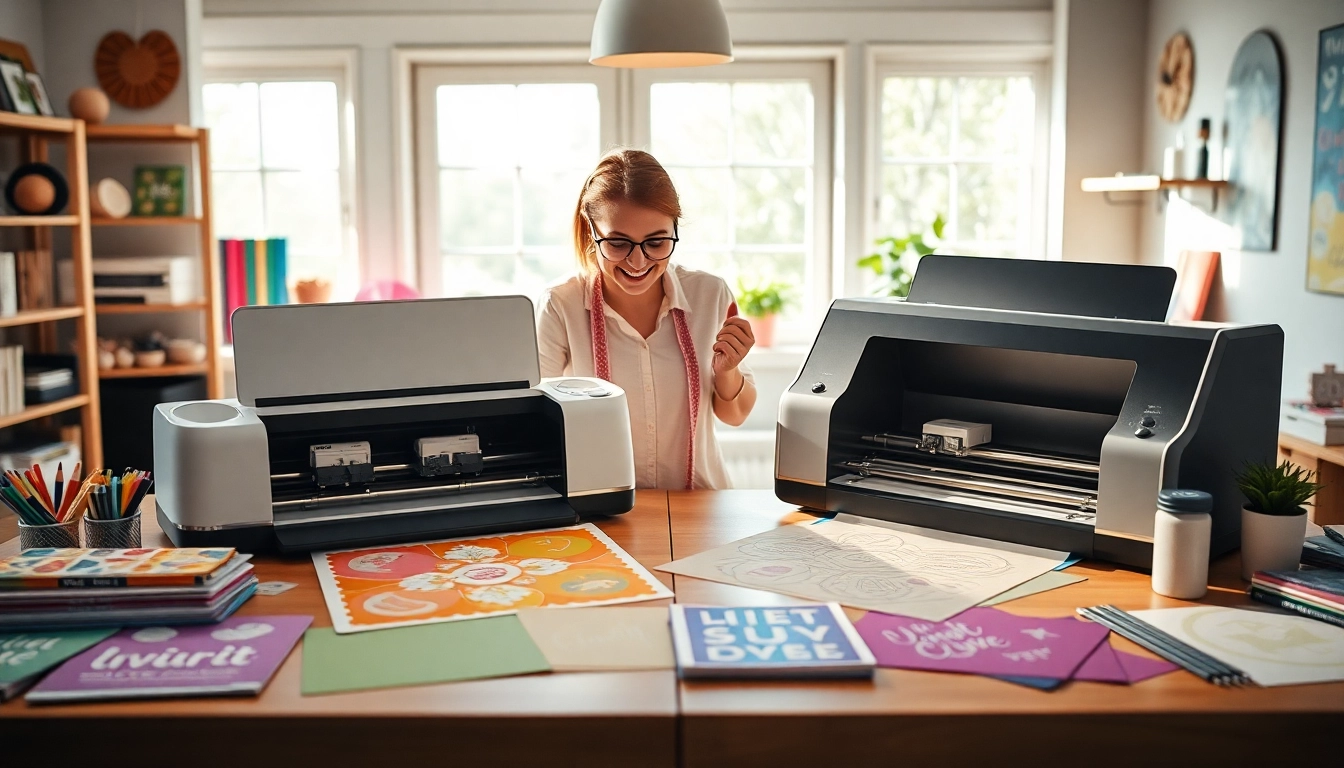
Understanding the Basics of Cricut and Silhouette Machines
If you're venturing into the world of crafting, two names stand out prominently: Cricut and Silhouette. Both brands have carved niches in the crafting community by offering innovative machines that elevate DIY projects. As you navigate this landscape, understanding the fundamental differences between the silhouette vs cricut can help you make an informed choice tailored to your specific crafting needs.
What is a Cricut Machine?
Cricut machines are electronic cutting tools that offer remarkable versatility. They are designed for cutting a variety of materials like paper, vinyl, fabric, and even thicker materials like leather and wood. The Cricut Maker, for example, is known for its ability to cut over 300 different materials, making it a popular choice among crafters who work on diverse projects. Cricut machines are also distinguished by their easy-to-use interface and seamless integration with design software, enhancing the user experience for beginners and seasoned crafters alike.
What is a Silhouette Machine?
Silhouette machines, particularly the Silhouette Cameo, are also electronic cutting tools but often appeal to those who prefer more advanced design options. With Silhouette's software, users can create intricate designs and manipulate them in virtually unlimited ways, which gives it an edge for those who prioritize creative freedom. The Silhouette machines can also handle a broad range of materials, though they tend to emphasize the ability to cut thinner materials with higher precision.
Main Features of Cricut vs Silhouette
- Cutting Precision: Both machines excel in precision, but Silhouette often edges out Cricut for elaborate designs.
- Software: Cricut's Design Space is user-friendly, while Silhouette Studio offers more complexity and features for advanced users.
- Material Versatility: Cricut has a broader range for thicker materials, whereas Silhouette is favored for delicate and detailed cuts.
- User Community: Both brands boast vibrant user communities, sharing tips, projects, and designs online.
Comparative Analysis: Performance and Cutting Capabilities
Speed and Precision: Cricut vs Silhouette
When it comes to speed, Cricut machines generally offer faster cutting times, making them ideal for large projects or when efficiency is key. For projects where details matter, Silhouette machines might provide a more precise cut due to their advanced software capabilities and blade options. Therefore, your choice may depend on whether you value speed or detail more in your crafting endeavors.
Materials Compatibility with Each Machine
Cricut machines are celebrated for their compatibility with a wider variety of materials, including specialty papers, vinyl, cardstock, and even thicker items like wood and leather. In contrast, while Silhouette machines can also cut various materials, they often excel more in intricate projects involving lighter materials. Notably, the cutting ability of each machine can also vary by model, so it's crucial to examine specific machine specifications when deciding which to purchase.
Software Usability: A Comparison Between Cricut and Silhouette
Software usability is pivotal in the crafting experience. Cricut's Design Space is known for its straightforward navigation and intuitive layout, making it especially appealing for beginners. On the other hand, Silhouette's Studio software provides a steeper learning curve, with more tools and features that experienced users find beneficial for complex design work. Depending on your design skills, one software may feel more comfortable than the other.
Price and Investment Considerations for 2026
Initial Costs: What to Expect
The price range for both Cricut and Silhouette machines varies significantly based on the model and its capabilities. An entry-level Cricut machine may cost around $200, while advanced models can reach upwards of $400. Silhouette machines typically range from $200 to $300 for their base models and can also reach higher prices for more advanced versions. Consider the initial investment as you assess which machine aligns with your crafting plans.
Long-term Investment: Accessories and Maintenance Costs
Both Cricut and Silhouette require accessories such as blades, mats, and design software. Cricut offers a more extensive range of pre-made options, while Silhouette emphasizes customizability. Over time, the costs associated with maintenance and purchasing additional tools can add up, so it’s wise to factor these expenses into your long-term budget. Regular blade replacements and cutting mats will be necessary for both systems, contributing to your overall investment.
Resale Value and Depreciation Factors
The resale value of these machines can vary, but generally, Cricut machines tend to hold their value better, thanks to higher demand. Silhouette machines may depreciate more quickly due to less brand recognition outside avid crafting circles. Therefore, if you think you may want to sell or upgrade your machine in the future, a Cricut might be the better option in terms of retaining value.
User Experiences: Crafting Communities and Reviews
Insights from Cricut Users
Many users praise Cricut machines for their ease of use, particularly newcomers who appreciate the guided instructions and extensive online support. The community surrounding Cricut is robust, filled with tutorials, project ideas, and forums where users can ask questions and share their work. This active network can be a major advantage for anyone starting in the crafting world.
Testimonials from Silhouette Owners
Silhouette users often highlight the intricate detail capabilities of their machines, which shine in projects that require finesse. They also appreciate the powerful design software, which, although complex, allows for limitless creativity. Feedback from the community suggests that while there’s a learning curve, the payoff is significant for those who invest the time into mastering the machine.
Common User Challenges and Solutions in silhouette vs cricut Context
Crafting with either Cricut or Silhouette comes with its challenges. Users frequently report issues with software glitches, material compatibility, and the need for specific accessories. Recognizing these challenges, both communities offer resources and advice. For instance, Cricut users often find solutions through the official forums, while Silhouette users rely on online tutorials and community forums to troubleshoot common problems.
Future Trends: What to Expect in Crafting Technology
Emerging Features for Cricut Machines in 2026
As we approach 2026, it’s anticipated that Cricut will continue to innovate, potentially introducing new machines with advanced cutting technologies and improved software capabilities. Users can look forward to enhanced features such as AI-driven design assistance and even more material compatibility, which would further simplify the crafting process.
Technological Innovations in Silhouette Machines
Silhouette is also expected to unveil new features aimed at improving user experience, such as integration with augmented reality (AR) for design previews. This could revolutionize how users visualize their projects before executing them, significantly enhancing creative processes. As technology continues to evolve, both brands are likely to adapt and incorporate new technologies to meet user demands.
The Future of Crafting: Predictions for Beginners and Professionals
Looking ahead, the crafting landscape is set to become increasingly user-friendly, with advancements making it accessible to various skill levels. Whether you’re a beginner or a seasoned professional, expect new tools and resources designed to inspire creativity and streamline project execution. Both Cricut and Silhouette will undoubtedly play significant roles in this evolution, catering to the growing desires of crafting enthusiasts everywhere.