
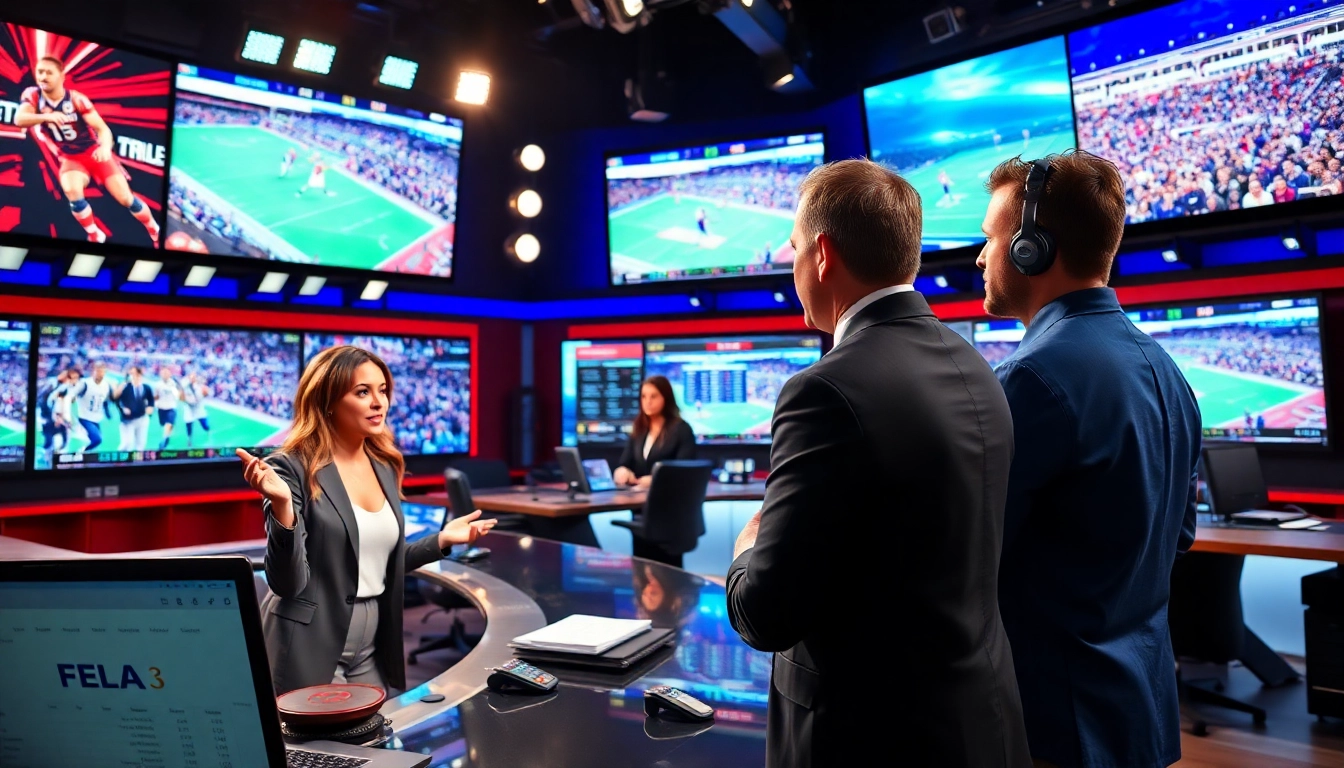
Understanding the Landscape of Sports Broadcasting
The world of Sports Broadcasting is vast and constantly evolving, providing audiences with the opportunity to engage with their favorite teams and athletes from virtually anywhere. This dynamic landscape has transformed significantly over the years, influenced by technological advancements, audience demand, and industry competition. Understanding these intricacies is crucial for anyone looking to participate in or navigate this exciting field.
The Evolution of Sports Broadcasting
Sports broadcasting has come a long way since its inception. Initially dominated by radio broadcasts in the early 20th century, the industry has witnessed monumental shifts, especially with the rise of television. The first televised sports event occurred in 1936 with the Munich Olympic Games. This pivotal moment marked the beginning of sports viewing as we know it today, fostering a cultural phenomenon that captivated millions.
As the decades progressed, advancements in technology played a vital role in transforming sports broadcasting. The introduction of color television in the 1960s enhanced the viewing experience, allowing fans to enjoy sports in a way previously unimaginable. The advent of cable television further expanded broadcasting options, providing more coverage of diverse sports events and teams.
The turn of the century brought about the digital revolution, leading to the rise of streaming platforms and social media. Fans are no longer limited to traditional broadcasts; they now have access to a plethora of content across various devices. This transition not only redefined how sports are consumed but also created an environment ripe for innovation in audience engagement.
Key Players in the Sports Broadcasting Industry
The sports broadcasting landscape is dominated by several key players, including networks, streaming platforms, and sports leagues themselves. Major television networks such as ESPN, Fox Sports, and NBC Sports play crucial roles in providing comprehensive coverage of various sports. These networks often secure exclusive broadcasting rights for high-profile events, which can be financially lucrative.
Streaming platforms like Amazon Prime Video, DAZN, and YouTube have emerged as significant competitors to traditional television, offering on-demand access to sporting events. With the ability to stream live games, these platforms cater to evolving consumer preferences, particularly among younger audiences who favor mobile and online content over cable TV.
Sports leagues, too, have begun to take a more direct approach to broadcasting. Organisations like the NFL and the NBA have initiated their own networks and streaming services, allowing for greater control over content and distribution. This shift not only fosters fan engagement but also provides a substantial revenue stream.
The Impact of Technology on Sports Broadcasting
Technology is at the forefront of the evolution of sports broadcasting. Enhanced viewing experiences through high-definition broadcasts, instant replays, and multiple camera angles have transformed the way fans watch games. Technologies such as Virtual Reality (VR) and Augmented Reality (AR) are poised to further revolutionize the landscape by immersing viewers in the action as if they were part of the experience.
Moreover, data analytics plays a critical role in sports broadcasting. Real-time statistics and insights enhance viewer engagement, giving audiences deeper understanding and context around the events they are watching. Social media platforms have also leveraged these advancements, allowing fans to interact during games and share moments instantly with a global audience.
Essential Skills for Sports Broadcasting Professionals
To thrive in the sports broadcasting industry, professionals must develop a diverse set of skills that cater to both production and presentation aspects of media. These skills not only elevate individual performance but also enhance the overall viewer experience.
Communication Skills in Sports Broadcasting
Exceptional communication skills are the cornerstone of successful sports broadcasting. This includes verbal communication during live broadcasts, as well as written communication for scripts and social media engagement. Broadcasters must be able to convey excitement, provide insightful commentary, and connect with audiences on an emotional level through their delivery.
Furthermore, strong interpersonal communication skills are essential for building relationships with athletes, coaches, and other industry professionals. Networking and collaboration can lead to unique storytelling opportunities and increase a broadcaster's visibility in the industry.
Research and Analytical Skills for Broadcast Success
A successful broadcaster must possess outstanding research and analytical abilities. This involves staying updated with current sports trends, player statistics, and historical performance data. A solid foundation in sports journalism and the ability to analyze gameplay enhances the credibility of broadcasters, enabling them to provide informed commentary and engage viewers effectively.
Analytical skills are also essential for understanding audience preferences and tailoring content accordingly. By utilizing data analytics and viewer feedback, broadcasters can refine their approach and enhance viewer satisfaction.
Understanding Audience Engagement Techniques
Audience engagement has become a focal point in sports broadcasting. Professionals must understand their target demographics and create content that resonates with them. Recognizing the preferences of different viewer segments leads to improved content strategy and enhances overall engagement.
Engagement techniques may include interactive voting during broadcasts, behind-the-scenes access, or hosting Q&A sessions with fans. Building a community around broadcasting content fosters loyalty and encourages continual viewership.
Strategies for Effective Sports Broadcasting
To captivate audiences and cultivate a lasting fan base, sports broadcasters must implement effective strategies that balance storytelling, personal branding, and technology use.
Crafting Compelling Stories in Sports Broadcasting
At the heart of successful sports broadcasting lies the ability to tell stories. Great broadcasters weave narratives that resonate emotionally with viewers, highlighting athletes' struggles, triumphs, and the broader cultural significance of sports events.
Using storytelling techniques can transform a simple game rundown into a gripping narrative. Broadcasters should focus on character development, conflict, and resolution to engage their audience, offering deeper insights that go beyond the scoreline.
Building a Personal Brand as a Sports Broadcaster
In a competitive industry, establishing a distinct personal brand is vital. Broadcasters should develop their unique voice and style, which allows them to stand out in the crowded market. This involves consistent presentation, a signature approach to storytelling, and an authentic connection with audiences.
Additionally, personal branding extends to social media engagement, where broadcasters can showcase their personality, share behind-the-scenes content, and interact with fans. A strong online presence can bolster a broadcaster's visibility and attract new opportunities.
Leveraging Social Media for Enhanced Reach
Social media platforms serve as powerful tools for sports broadcasters, enabling real-time engagement with audiences. Utilizing social media effectively allows broadcasters to share highlights, conduct polls, and provide commentary that complements live broadcasts.
By engaging with fans through platforms such as Twitter, Instagram, and TikTok, broadcasters can create a more interactive and participatory experience. This not only strengthens fan loyalty but can also lead to increased viewership by attracting new audiences through shareable content.
Challenges in the Sports Broadcasting Industry
Despite its growth and evolution, the sports broadcasting industry faces several challenges that professionals must navigate to succeed. Awareness of these hurdles is essential for developing effective strategies to overcome them.
Navigating Licensing and Legal Issues
Licensing agreements and legal restrictions can complicate the broadcasting landscape, as various leagues and organizations maintain strict control over their content. Understanding the complexities of broadcasting rights, including how they are negotiated and enforced, is critical for broadcasters aiming to maintain compliance while still offering comprehensive coverage.
Additionally, legal issues may arise concerning intellectual property rights, especially in the age of digital content sharing. Broadcasters must stay informed and adapt to the rapidly changing legal landscape to avoid potential disputes.
Dealing with Competition and Market Saturation
With an increasing number of platforms and channels competing for viewer attention, market saturation presents a significant challenge. Broadcasters must differentiate themselves by cultivating a unique perspective and offering exclusive content that resonates with audiences.
Engaging with niche markets and specialized sports can provide new opportunities for broadcasters, allowing them to carve out space in an overcrowded market. This requires innovation, creativity, and an understanding of emerging trends to attract dedicated viewer segments.
Technology Challenges in Live Broadcasting
While advancements in technology enhance the broadcasting experience, they also introduce challenges. Technical difficulties during live events can disrupt broadcasts and frustrate viewers. Broadcasters must prepare for potential disruptions and have backup plans in place to ensure seamless transitions.
Staying up to date with the latest technological developments, including potential pitfalls, is essential for sports broadcasters to deliver high-quality content consistently. This may involve ongoing training and investing in robust infrastructure to support live events.
Future Trends in Sports Broadcasting
The sports broadcasting industry is on the brink of revolutionary change as new technologies and trends emerge. Staying informed about these developments will be crucial for broadcasters looking to remain relevant and competitive.
The Role of Artificial Intelligence in Sports Broadcasting
Artificial Intelligence (AI) is expected to play a transformative role in sports broadcasting. From automating content generation to enhancing viewer analysis, AI can optimize production workflows and deliver personalized content to audiences.
AI-driven analytics will enable broadcasters to provide deeper insights into player performance and team strategies, further enriching the viewing experience. The ability to tailor content to individual preferences could revolutionize how sports are consumed.
Innovations in Viewer Experience Technology
Augmented Reality (AR) and Virtual Reality (VR) are poised to redefine viewer experience in sports broadcasting. By immersing audiences in the action, these technologies can create an unparalleled connection with the event, fostering increased engagement.
Additionally, innovations such as interactive graphics and gamification can further enhance viewer experiences. Broadcasters adopting these technologies will likely differentiate themselves in a competitive environment.
Predictions for the Future of Sports Broadcasting
The future of sports broadcasting looks bright, with anticipated advancements paving the way for exciting possibilities. Personalization will become increasingly important, with broadcasters leveraging data to create tailored viewer experiences.
Furthermore, the rise of mobile viewing and streaming services will continue to influence traditional broadcasting models. As audiences seek more flexible viewing options, broadcasters will need to adapt their strategies to meet these demands while embracing new platforms and technologies.
Frequently Asked Questions
What is sports broadcasting?
Sports broadcasting is the live or recorded transmission of sports events via television, radio, or online platforms, allowing audiences to engage with their favorite sports from anywhere.
What skills are required for sports broadcasting?
Key skills include communication, research, analytical abilities, and a strong understanding of sports, which together enhance a broadcaster's capacity to engage audiences effectively.
How do technology advancements impact sports broadcasting?
Technology enhances viewer experience through high-definition visuals, real-time statistics, and interactive features, allowing audiences to engage more deeply with sporting events.
What are common challenges faced in sports broadcasting?
Challenges include competition, legal issues surrounding licensing, and technological limitations during live events, all of which must be navigated for successful broadcasting.
What future trends are emerging in sports broadcasting?
Expect to see increased use of AI, augmented reality, and personalized content delivery in the future, all of which will reshape how fans consume sports information.