Understanding Window Tinting
What is Window Tint?
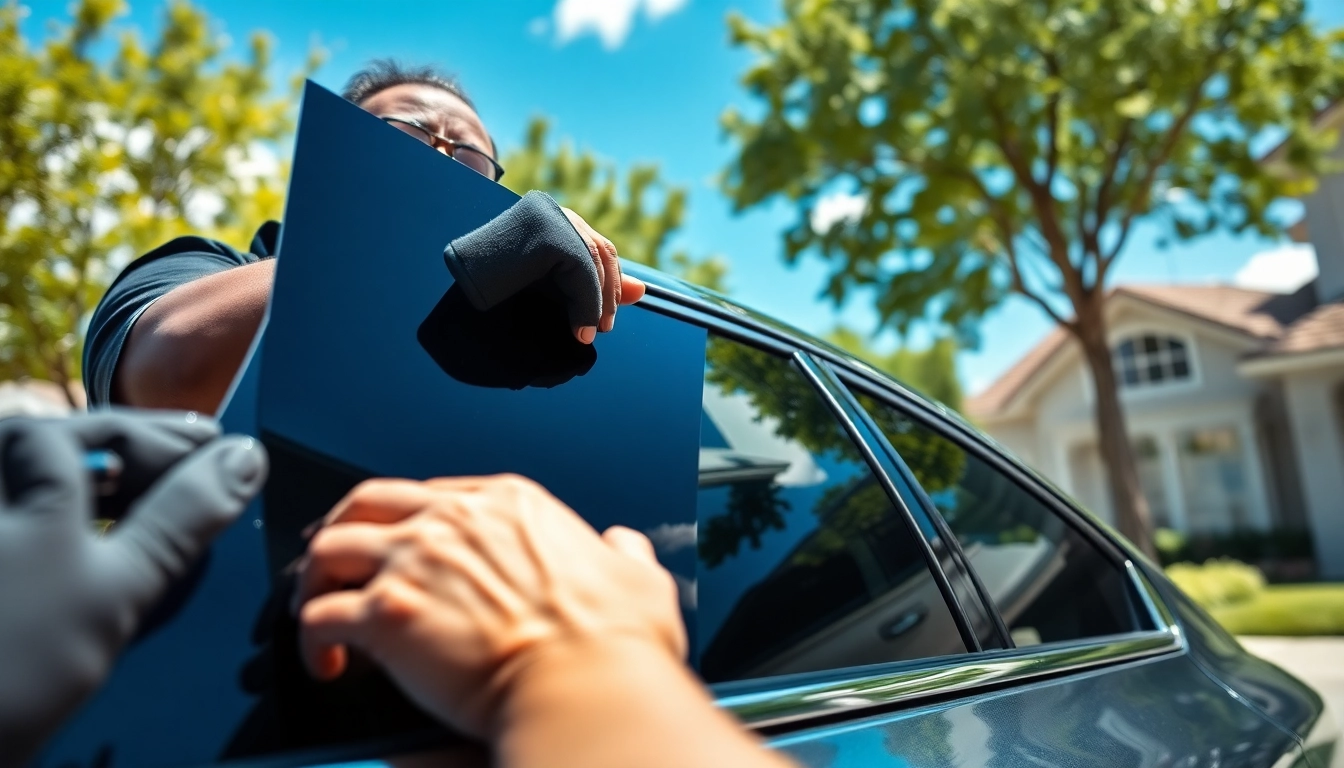
Window tinting is a process that involves applying a thin film to the interior or exterior of glass surfaces, such as car windows and building windows. This film comes in various shades and materials, designed to reduce glare, block harmful UV rays, and enhance privacy. The result is not only an aesthetic improvement but also functional benefits that enhance the comfort and safety of the vehicle or building interior.
Benefits of Window Tinting
Window tinting offers numerous advantages to both automotive and residential owners. First and foremost, it blocks up to 99% of harmful ultraviolet (UV) rays, protecting passengers and interior surfaces from sun damage. This can also significantly reduce the heat inside the vehicle, improving comfort and decreasing reliance on air conditioning, which can enhance fuel efficiency. Additionally, tinted windows provide enhanced privacy, preventing outsiders from peering in while still allowing natural light to illuminate the interior.
Moreover, window tinting can help improve safety by holding shattered glass together in the event of an accident or break-in. It also adds a sleek, polished aesthetic that can elevate the overall look of the vehicle or home.
Types of Window Tint Available
Several types of window tint films are available, each designed for different needs and preferences. There are primarily three categories: dyed, metallized, and ceramic films. Dyed film is the most basic type, providing privacy and glare reduction but offering limited heat rejection. Metallized films include tiny metallic particles that improve solar heat rejection. Lastly, ceramic films provide high UV protection without interfering with electronic devices, making them ideal for modern vehicles.
Each type has unique properties, so it's essential to choose the one that best fits your requirements, particularly if you are seeking the best window tint Chattanooga TN.
Choosing the Best Window Tint Chattanooga TN
Factors to Consider When Selecting Tint
When selecting window tint, various factors come into play. First, consider the purpose—do you seek heat reduction, UV protection, privacy, or aesthetics? Next, evaluate your budget; higher quality films generally cost more but offer better performance and longevity. Additionally, think about the local climate conditions in Chattanooga. If you experience intense sunlight, the film's heat rejection property becomes vital.
Furthermore, consider the appearance of the tint. Some films offer a more reflective look while others are darker, affecting visibility from the outside. Lastly, opt for a manufacturer that offers a warranty, as this reflects their confidence in the quality of the film.
Legal Regulations in Chattanooga TN
It's essential to be aware of legal regulations regarding window tinting in Chattanooga. Tennessee law stipulates specific requirements for the allowable levels of tint on cars. For example, the front windshield must allow more than 70% of light in, while the front side windows must also permit a significant amount of light. The regulations help ensure safety and visibility for all drivers. Before applying window tint, check local regulations to avoid fines and ensure compliance.
Cost Considerations for Quality Tint
The cost of window tinting can vary significantly based on several factors, including the type of film being used, the size of the vehicle, and the installation method. While DIY window tint kits may seem cheaper, professional installation ensures that the film adheres properly and performs optimally. On average, expect to pay between $200 to $800 for professional installation, depending on the vehicle's size and the chosen film quality. Investing in high-quality window tint can pay off in durability and effectiveness.
Professional vs. DIY Window Tinting
Advantages of Professional Installation
Opting for professional installation of window tint provides several advantages. Experts have experience and training, ensuring the application process is done correctly. They have access to high-quality materials and tools, which can affect the overall look and longevity of the tint. Additionally, professional installers can typically manage warranty issues and are familiar with local window tint regulations.
Common DIY Mistakes to Avoid
Engaging in DIY window tinting can save money, but it's fraught with potential pitfalls. Common mistakes include not preparing the glass correctly, leading to bubbles or peeling, and applying the tint under unsuitable conditions, such as high humidity or extreme temperatures. Misaligning the tint during the application can result in uneven coverage and unattractive results. Additionally, using low-quality materials can lead to poor performance and premature failure of the film.
Tools Needed for DIY Tinting
If you choose the DIY route, a few essential tools will help facilitate a successful application. A utility knife for trimming the film is necessary, along with a squeegee to smooth out air bubbles. You'll also need soapy water for application, a heat gun for proper adhesion, and a clean microfiber cloth for window preparation. Having these tools on hand can make the process smoother but be sure to have ample time and patience, as the process can be labor-intensive.
Maintenance of Tinted Windows
Best Practices for Care
Maintaining tinted windows is crucial for longevity and optimal performance. Wait at least 48 hours after installation before cleaning the windows to allow the tint to set. Clean the tinted windows using a soft cloth and a non-ammonia-based cleaner to avoid damaging the film. Regular cleaning not only maintains appearance but also prevents dirt and debris from wearing down the tint over time.
Common Issues and Solutions
Even the highest-quality tint can develop issues over time. Common problems include bubbling, peeling, or discoloration. Bubbles can often be corrected by gently pushing them toward the edges and applying heat. Peeling edges can sometimes be pressed back down and smoothed. However, if the discoloration occurs, it usually signifies that the film has degraded and may need replacing. Advising a professional for significant issues is always the best practice.
When to Reseal or Replace Tint
Knowing when to reseal or replace the tint can save you money in the long run. Film that exhibits severe scratching, significant bubbling that cannot be fixed, or complete discoloration will likely need replacing. Resealing may be necessary if the edges start to lift and can be done by a professional. Regular assessments of your tint in various lighting conditions can help you decide the best course of action and maintain your vehicle's aesthetics.
Frequently Asked Questions
How long does window tint last?
Window tint can last anywhere from 5 to 15 years, depending on the quality and type of tint used.
Will window tint make my car hot?
On the contrary, quality window tint can help keep your vehicle cooler by blocking UV rays and reducing heat build-up.
Can I remove window tint myself?
It is possible, but it can be tricky. Professional removal is recommended to avoid damage to your windows.
Are there different levels of tint?
Yes, window tints come in various shades and materials, allowing you to choose based on your preferences and legal limitations.
Is window tint worth the investment?
Yes, window tint offers numerous advantages, including UV protection, enhanced privacy, and improved aesthetics, making it a worthwhile investment.