
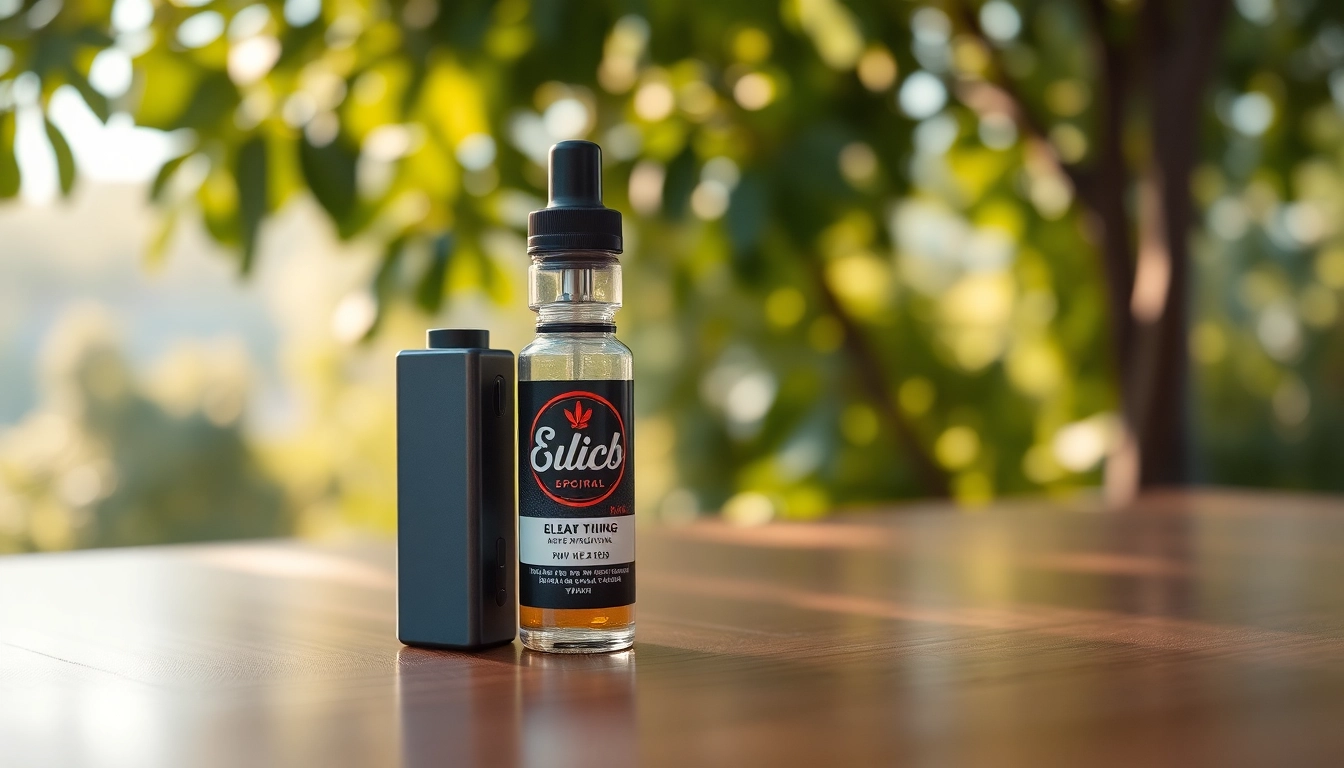
The Basics of Vape & E-Liquids
What are Vape & E-Liquids?
Vaping has transformed the way many individuals consume nicotine or flavor alternatives compared to traditional smoking. Central to this phenomenon are Vape & E-Liquids, which are vaporized liquids containing a mix of ingredients designed to be inhaled. Typically composed of propylene glycol (PG) and vegetable glycerin (VG), these liquids can also introduce flavors and nicotine to enhance the user experience.
The primary distinction between Vape & E-Liquids lies in their formulation and the experience they provide. While traditional e-liquids often contain a higher proportion of PG for a stronger throat hit, vape liquids may emphasize flavor, cloud production, and a smoother experience. Understanding the foundation of these liquids helps in appreciating the vast variety available in the market.
Types of Vape & E-Liquids Available
The market offers a diverse array of Vape & E-Liquids, each catering to different preferences and needs. Some common categories include:
- Nicotine-based E-Liquids: These products contain nicotine in variable concentrations, allowing users to select their desired strength.
- Nicotine Salts: Known for their smoothness, nicotine salts are formulated to provide a quicker nicotine absorption rate, simulating the rush that many smokers crave.
- THC or CBD Infused E-Liquids: For those interested in the therapeutic benefits of cannabis, THC or CBD-infused vape juices are available, offering both flavor and wellness.
- Flavor-specific E-Liquids: These come in an extensive range of flavors—fruits, desserts, drinks, and more—allowing for a uniquely tailored vaping experience.
Each type of e-liquid serves a different purpose and experience, making it crucial for users to assess their preferences before choosing a specific product.
Understanding Flavor Profiles in E-Liquids
One of the most exciting aspects of vaping is the variety of flavors available. Flavor profiles can significantly enhance the experience, impacting everything from satisfaction to how often one chooses to vape. Flavor categories generally fall into:
- Fruit: These are popular for their refreshing taste, ranging from classic fruits like strawberry and apple to exotic options such as dragon fruit or lychee.
- Dessert: Sweet flavors, including vanilla custard, chocolate, and cookie dough, appeal to those with a sweet tooth.
- Beverage: Options inspired by drinks, like coffee, tea, or soda, can evoke the experience of sipping a favorite beverage.
- Tobacco: Smokers may appreciate traditional tobacco flavors or blends with a twist, like menthol.
- Mint and Menthol: Often added for a cooling sensation, these flavors are especially popular among those transitioning from smoking.
Choosing the right flavor profile is an essential part of customizing the vaping experience, providing not just satisfaction but also the enjoyment of trying new tastes and combinations.
Selecting Quality Vape & E-Liquids
Identifying Premium Ingredients
When selecting Vape & E-Liquids, the ingredients play a critical role in both safety and satisfaction. High-quality e-liquids generally comprise:
- USP-Grade Ingredients: The best e-liquids use pharmaceutical-grade Propylene Glycol (PG) and Vegetable Glycerin (VG), ensuring that they meet health standards.
- Natural and Artificial Flavors: Reputable brands employ food-grade flavorings without harmful additives or toxins, providing a pure taste.
- Lab-Tested Nicotine: Always ensure that the nicotine used is accurately tested for purity. Using low-quality nicotine can lead to inconsistencies and harmful compounds.
Beginners should research the production methods of e-liquids, as reputable brands often publish lab results and ingredient lists for transparency. Trial and feedback from fellow users can also assist in discerning quality.
Factors to Consider When Choosing E-Liquids
Various factors impact the selection of Vape & E-Liquids beyond just flavor and ingredients. Some crucial considerations include:
- Nicotine Strength: Beginners should consider starting with lower strengths, often between 3mg to 6mg per milliliter. Users transitioning from cigarettes may prefer higher concentrations.
- Base Ratio: E-liquids typically come in different proportions of PG to VG. A higher VG ratio often yields thicker clouds and smoother vaping, while a higher PG ratio provides a stronger throat hit.
- Packaging and Branding: Look for quality packaging that demonstrates care and professionalism. Informative labels are indicative of a brand committed to consumer education and transparency.
By taking all these factors into account, users can make informed decisions about their Vape & E-Liquids, ultimately enhancing their overall vaping experience.
Importance of Reliable Suppliers
The source of Vape & E-Liquids significantly influences the quality and safety of the products. As such, engaging with reliable suppliers is vital. Essential tips for identifying trusted suppliers include:
- Reputation: Research suppliers extensively. Reviews, testimonials, and community feedback can illuminate potential red flags and help locate reputable brands.
- Certifications: Suppliers should abide by national and international health regulations, which can often be verified through certifications displayed on their websites.
- Customer Service: A reliable supplier will have responsive customer service, capable of addressing queries or concerns promptly.
Establishing a relationship with trustworthy suppliers can lead to discovering premium Vape & E-Liquids and ensure a heightened satisfaction level.
Vaping Techniques and Best Practices
How to Properly Use Vape & E-Liquids
Utilizing Vape & E-Liquids effectively requires understanding how to operate the vaping device and apply it correctly for a satisfying experience. Key practices include:
- Priming Coils: Before first use, prime your coil by saturating the wick with e-liquid to prevent a dry hit and enhance flavor.
- Pacing Yourself: New users may need to acclimate to vaping; taking shorter puffs initially can prevent overwhelming nicotine absorption.
- Device Settings: Adjusting the wattage or temperature settings on your device can optimize your experience, catering the vaping session to your personal preference.
Each device type (disposable, pod, or mod systems) may have specific usage instructions, so it is essential to consult user manuals for the best results.
Maintenance Tips for Your Vaping Device
Caring for your vaping device enhances its longevity and performance. General maintenance tips include:
- Regular Cleaning: Clear the tank and contacts of residue build-up to maintain consistent flavor performance.
- Coil Replacement: Change coils regularly according to usage frequency, as spent coils can lead to burnt tastes or decreased vapor production.
- Battery Care: Follow proper charging norms. Overcharging or discharging batteries can diminish their life and safety.
Routine maintenance not only prolongs the device's lifespan but also enhances the quality of vaping sessions.
Avoiding Common Vaping Mistakes
As users embark on their vaping journey, they may encounter several pitfalls. Common mistakes include:
- Ignoring the Signal: Not paying attention to variations such as decreased vapor production or dry hits can lead to permanent damage.
- Choosing the Wrong Nicotine Level: Selecting e-liquids with too high nicotine levels can cause discomfort, while too low could lead to unsatisfactory experiences.
- Using Incompatible Ingredients: Mixing different types of e-liquids can lead to undesirable flavors and even device malfunctions.
Awareness of these common errors can significantly improve the overall vaping experience.
Safety Guidelines for Using Vape & E-Liquids
Understanding Nicotine Levels
A fundamental aspect of using Vape & E-Liquids is understanding nicotine levels. They typically range from 0mg to 24mg or more. Recognizing individual tolerance is essential to avoid adverse effects. New users should experiment to find their sweet spot, but those accustomed to traditional smoking may prefer higher concentrations initially as they transition.
Common Health Considerations
While vaping is often marketed as a safer alternative to smoking, it's crucial to consider potential health implications. Recent studies have highlighted:
- Baselines for Health Risks: While vaping eliminates tar, it does still expose users to certain toxins and irritants.
- Respiratory Impact: Regular users may experience respiratory distress due to inhaling vaporized substances over time.
- Allergic Reactions: Some ingredients in e-liquids may not agree with every individual, leading to allergic reactions that necessitate immediate medical attention.
Staying informed about the potential health risks involved can empower users to make mindful choices regarding their vaping habits.
Ensuring Device Safety
Safety while vaping cannot be overstated. Essential safety tips include:
- Quality Checks: Regularly inspect devices for any signs of damage or battery swelling; replace them if necessary.
- Avoiding Overuse: Know the limits of your device—overworking it can lead to overheating, affecting both performance and safety.
- Storage Practices: Store devices safely, ideally in temperature-sensitive environments, to prevent battery issues or liquid leakage.
Implementing these precautions will minimize risks and promote a fulfilling vaping experience.
The Future of Vape & E-Liquids
Trends in Flavor and Usage
As innovation continues, the vaping industry is witnessing trends that reflect shifting consumer preferences. Notable developments include:
- Customization: Users are increasingly seeking customizable e-liquids, which allow for tailored nicotine levels and flavors, enriching the vaping experience.
- Cultural Influences: Influences from global cuisine are leading to more unique and complex flavor profiles like ethnic desserts or exotic fruits.
- Social Acceptance: As public perception shifts, the normalization of vaping may encourage wider usage, particularly among younger demographics.
Monitoring these trends can empower consumers to select from the latest offerings that align with their preferences.
Advancements in Vaping Technology
Technological advancements continue to elevate the vaping experience through enhanced devices and methods. Innovations include:
- Smart Devices: Many new devices feature Bluetooth technology, allowing users to track usage patterns, customize settings, and even connect with apps for enhanced experiences.
- Advanced Coil Design: New coils are being developed to enhance flavor and vapor production, minimizing gunk build-up and increasing longevity.
- Eco-Friendly Options: There's a push towards biodegradable e-liquids and recyclable or refillable pod systems to reduce the carbon footprint of disposable products.
By embracing these advancements, users can enjoy a more efficient, satisfying, and environmentally friendly vaping experience.
The Role of Regulations in Vaping
The regulatory landscape surrounding vaping varies greatly across regions but is essential in ensuring product safety and consumer protection. Key regulatory developments include:
- Aging Restrictions: Governments are implementing age restrictions to prevent underage use, recognizing the importance of safeguarding youth.
- Quality Control: Increased scrutiny and testing requirements are being established for e-liquids and devices, urging manufacturers towards better practices.
- Advertising Regulations: Stricter rules are being enforced to limit promotional tactics that target vulnerable groups or mislead consumers.
Keeping abreast of local regulations helps users navigate the market responsibly while ensuring compliance with current laws.